Topical Analgesia: Is Ibuprofen the BEST Choice?
On the topic of prescribing... How are you with antibiotics?
“Prescribe piroxicam because it’s better…”
Yes — that’s what a patient said to me on the phone, in quite an assertive way.
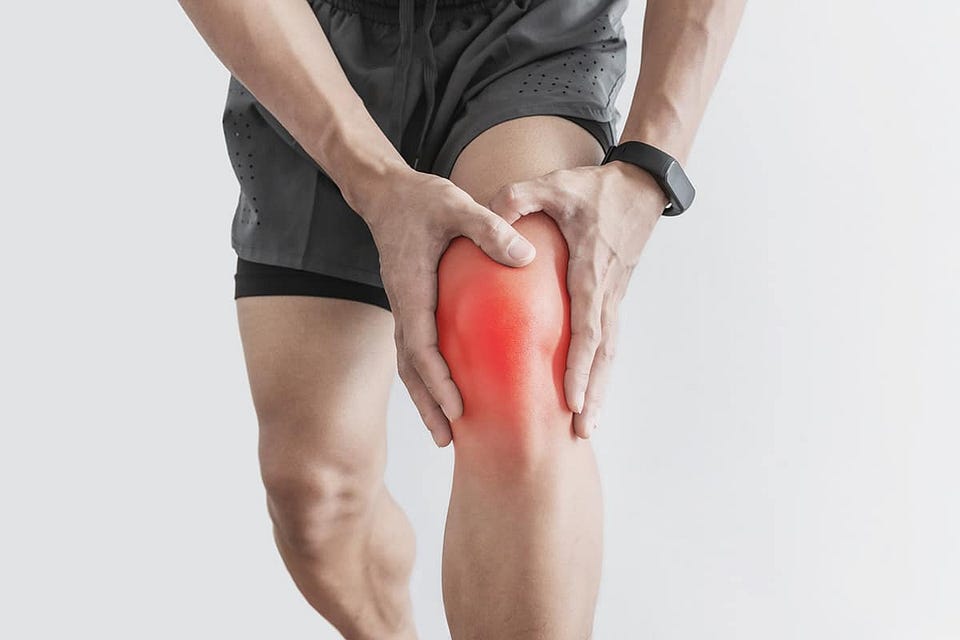
Aside from feeling slightly offended and asking the patient to adjust their tone, I left surgery thinking about their “request.” For some context — this patient had knee arthritis, but there was also a suspicion of ligamentous injury.
In such situations, I’m naturally inclined to prescribe something like ibuprofen gel. I often hear patients name-dropping diclofenac gel, Deep Heat, and others, but I usually just think about ibuprofen — if it’s indicated.
But then I asked myself: why ibuprofen over any other gel? In fact, why ibuprofen in the first place?
So, I did some digging — and I’m hoping my findings can also help inform your practice.
Topical NSAIDs: Why Should We Prescribe Them?
That’s the first question. After all, paracetamol, ibuprofen, and codeine are all potential contenders. However, NICE’s osteoarthritis guideline (NG226) recommends offering a topical NSAID for knee osteoarthritis — and considering topical NSAIDs for OA of other joints — as the first pharmacological option before oral NSAIDs, where appropriate.
Probably the main reason for this recommendation was a Cochrane review titled “Topical NSAIDs for Acute Musculoskeletal Pain” (Derry et al., 2015).
This review analysed 61 double-blind, randomised controlled trials including over 8,000 participants with acute musculoskeletal injuries such as sprains, strains, and overuse injuries. It found that topical NSAIDs (ibuprofen, ketoprofen, and diclofenac) provide meaningful pain relief with efficacy comparable to oral NSAIDs — without the systemic side effects.
So, it seems like a no-brainer to use topical NSAIDs.
But then we circle back to the question: why ibuprofen over the others? The answer lies in a deeper search…
Which Is the Most Effective Topical NSAID?
It’s not ibuprofen. Surprised? Probably not!
In reality, the most effective topical NSAID appears to be diclofenac. This conclusion is supported by several studies, including absorption data from Pradal et al. (2020), which looked at tissue permeation, and clinical trials such as Wade et al., a randomised, single-blind study that found time to pain relief was shortest with diclofenac.
Just like its oral form, diclofenac shows potent activity against COX-2 even at lower doses, making it a strong choice for managing pain.
So.. diclofenac is better. Got it.
But what about piroxicam?
Pain vs Function: What Really Matters?
Here’s a tip: when assessing patients, try to focus on function rather than just pain. Often, it’s their inability to carry out everyday tasks that troubles them most, more so than the pain itself.
For example, much of the treatment for rheumatoid arthritis aims to reduce stiffness. The pain is certainly unpleasant, but the stiffness is often the most disabling symptom.
Piroxicam vs Ibuprofen
When it comes to pain relief alone, ibuprofen comes out ahead. Dogruyol et al. (2020) compared topical ibuprofen and piroxicam, finding ibuprofen superior for pain reduction based on self-reported pain scales.
However, for function (reducing stiffness, improving pain on movement), piroxicam may have the edge. Evidence suggests it helps patients with OA perform function-oriented tasks, such as walking, more easily.

At least, that’s what the current data suggests.
Okay… so we’ve gone through all this information about topical NSAIDs — but why the insistence on NSAIDs in the first place?
Good question. The answer lies in their predictability. NSAIDs are very good at what they do, and their side effects are generally well understood. We know that topical NSAIDs are much safer than their oral counterparts, but there are still some specific considerations.
While diclofenac is very effective, it carries a higher-risk side effect profile. Diclofenac can increase the risk of cardiovascular events and is relatively contraindicated (though not absolutely) in patients with CVD. This is why you rarely see it prescribed — and when it is, it’s often in PR form, such as for patients with renal colic.
As for piroxicam, the evidence base is still developing. The best study we have focused on pain outcomes (as mentioned earlier), and ibuprofen was found to be superior for pain relief. Its effect on function, however, is still an area of ongoing research.
Finally, cost is another factor to consider. Ibuprofen 10% is relatively inexpensive on the NHS formulary, and the marginal benefit of other preparations doesn’t always justify the extra expense.
Whilst NICE recommends trialling a topical NSAID and stepping up to an oral preparation if required, it may be worth considering a trial of piroxicam — especially for patients whose main issue is restricted function, where piroxicam could offer additional benefit.
And that’s it! I certainly learned a lot while researching this week’s newsletter, and I hope you did too.
Until next time.
CPD Antibiotic selection & Prescription Masterclass
Prescribing is tough.. especially when we’re talking about antibiotics. It’s never as simple as choosing a medication and instead requires us to consider:
- Type of infection being treated
- Location of infection (one side or >1 site)
- Drug interactions e.g statins, allergies
- Antibiotic resistance
This popular course is designed for prescriber (medical and non-medical) and non-prescriber clinicians as it equips you with the knowledge you need to be more confident with antibiotic selection and prescription.

We’ll be covering
- Understanding antibiotic selection and organisms including gram staining
- Answering the key question: to prescribe or not prescribe?
- The latest guidance on minor illness and sepsis prescribing
- Tricky cases including severe allergies, MRSA, preventing c-diff and multi drug resistance
We’ll also be tackling tricky scenarios including infections in > 1 location and the latest EUCAST guidance on culture interpretation.
The course is held LIVE and is RECORDED for future access and you will receive an externally accredited CPD certificate!
FREE Analgesia Selection Tutorial
On the topic of analgesia - it’s no easy task choosing the right medication. For this reason, we have uploaded a FREE excerpt of our previous analgesia selection masterclass presented by Dr Mohammed Oomerjee. It covers:
- Key principles for assessing types of pain
- Using the WHO analgesic ladder effectively
- Choosing safe, effective analgesia for acute & chronic pain
- Specialist pain scenarios (neuropathic pain, cancer pain & more)
- Practical, patient-centred pain management strategies for prescribers
Simply click on the video below to immerse yourself in FREE CPD
Website: www.paretoeducation.co.uk
Instagram: www.instagram.com/pareto_ed
Twitter: www.twitter.com/pareto_ed
Youtube: https://bit.ly/3DPm23c
Email: info@paretoeducation.co.uk
Originally published on Substack.